
 Locksmith Miami
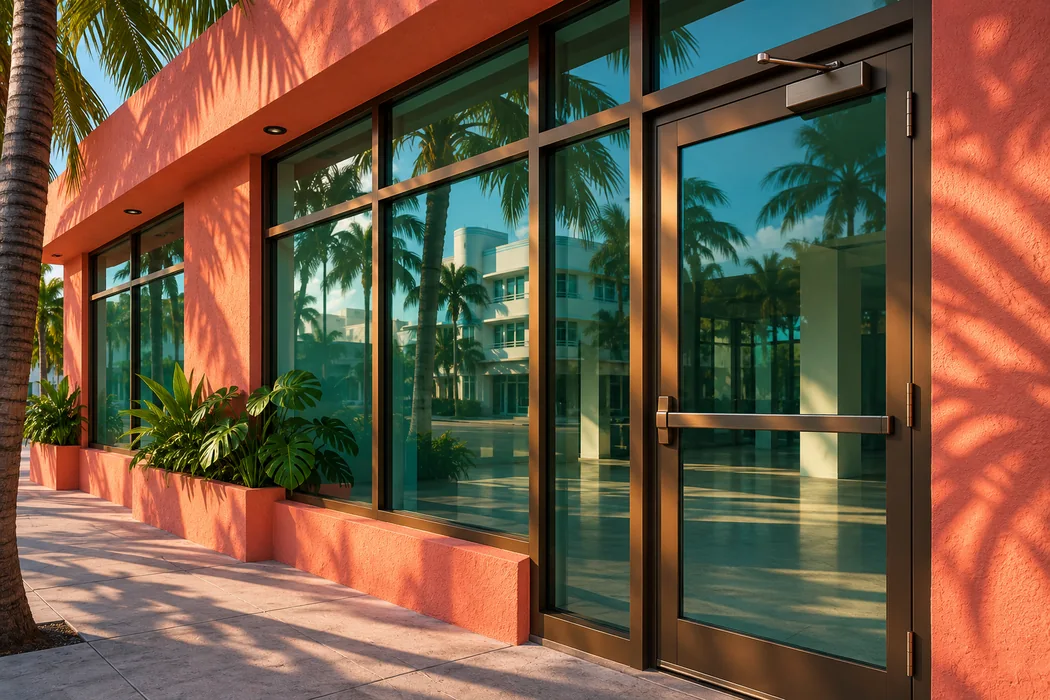
Watch the movement safely
Describe what happens when the door travels normally. Does it stop before the latch reaches the strike, scrape along the floor or swing shut too fast? If the door is loose, damaged or has broken glass, keep the area clear and tell the person responsible for the property. If customers still use the opening, mention how the issue affects entry and exit.
Write down when the problem started. A door that changed after a delivery impact, a closer replacement or building work can point to a different inspection from hardware that gradually became harder to use. Ask who can approve work on the door itself, especially for a shared entrance or an opening maintained by the property owner.
Match the symptom to the opening
The closer controls how the door returns. The latch, strike, hinges or pivots and frame determine whether it reaches the closed position and holds. An entrance that keeps catching may have more than one issue. Tell us if the latch works with the door open, where you hear scraping and whether pulling or pushing changes what happens.
For a glass storefront, note whether the lock is in a narrow frame, at the bottom of the door, or part of separate hardware. Take photos from a safe position if convenient. Include the door edge, head of the opening and any label you can read. That helps identify the configuration before a visit without guessing which part has failed.
Keep an exit working as part of the plan
When the hardware serves an exit, let the building representative know which door has the issue and how people are using it. Confirm the applicable access and exit arrangement before work. Don’t improvise a temporary fix that blocks the opening or leaves people unable to get out. A business may need to direct visitors to an approved alternative while the door is assessed.
If the door also has a reader, strike or release button, describe what happens when someone uses it. A working badge and a door that fails to latch can mean the first call is about mechanical hardware. If the release is inconsistent for everyone, the access control page explains what information can help determine whether that system needs attention.
Choose compatible door hardware
Door closers, pivots and exit devices come in different configurations. For a replacement, ask whether the specification matches how the door swings, the frame, and the way the opening is used. Bringing a photo and model number is more helpful than buying a replacement because it looks similar. The hardware groupings below cover different questions to ask.
LCN 4040XP
Surface-mounted closer example
Check how the current closer is mounted, the door’s swing and the available space around the frame. A replacement discussion should include how the door returns and reaches the latch under normal traffic. A closer choice also depends on the opening and its requirements.
Manufacturer details ↗Adams Rite 4510
Deadlatch for a narrow-stile opening
Use the existing lock label and trim to confirm the exact format at an aluminum storefront. Check the backset and how the latch meets the frame. If a reader controls the opening too, confirm how the latch and access hardware work together before replacing either part.
Manufacturer details ↗Von Duprin 98/99
Exit hardware family
Several exit device configurations can look alike from outside. Note the model and how it interacts with the frame or other leaf of a paired door. A property representative should be involved in decisions affecting an exit. Ask which approved configuration fits the opening’s use.
Manufacturer details ↗Plan the Miami service visit
For a downtown storefront or a shopping building in Coral Gables, give the exact door that faces the street and whether it must stay open to customers. In a Doral flex property, name the suite and the visitor or service drive. If the front and staff doors have different problems, describe each one. This keeps a latch issue on one door from being confused with a closer problem on another.
For a key or cylinder change after the door functions correctly, see commercial locksmith services. For an overhead garage door, use garage door repair so the call can be handled around the door’s lifting hardware. When you’re ready to schedule, ask which inspection is planned and how the result will be checked before the door goes back into normal use.
Review the opening under normal use
Ask how a finished repair will be checked at the door. A door may behave differently when propped open for a delivery than when it closes on its own between customers. Confirm where people approach from, how they release or pull the door and whether the hardware works each time the door reaches the frame. If wind exposure affects a storefront, describe when that happens in your normal operating day.
Take a moment to note which other parts are showing wear, even if you are dealing with only one issue now. A shared entrance may need the property manager to take care of additional work. Let them know which part was assessed and what the person on site observed. If someone placed an order for replacement parts, have their label or specification available before choosing a visit date.
For paired doors, tell us which leaf people normally use and whether both move. Include any automatic closer, reader or release that affects the same opening. If you’re arranging work for a restaurant or shop, explain when customers or deliveries need that access and how the property can keep an approved route available during the work. If a delivery has to reach the opening that day, give the manager a precise time and ask which other route is suitable. Bring the door photos and contact details to the call.
Questions about this service
Why will the door close but not latch?
It can depend on where the latch meets the strike, how the frame or hinges sit and how the closer brings the door back. Say whether the latch works with the door open and where it rubs when it is closed.
Can we supply the replacement closer?
Have the existing model and proposed replacement details ready. The mounting setup, door movement and requirements for the opening need to be checked.
What if the door is part of a shared building?
Identify the responsible property contact and which side of the entrance they manage. Discuss when the door can be assessed and which other entrance is authorized for customers.